Skin Regeneration: The Cornerstone of Modern Beauty

Skin Regeneration: The Cornerstone of Modern Beauty
Over the last decade, the beauty industry has undergone a significant transformation. Once dominated by invasive procedures and surface-level solutions, today’s market is increasingly focused on skin regeneration — helping the skin repair, renew, and rebuild itself naturally.
The science of skin renewal has existed for many years, but it is only in the last 10–15 years that these ideas have become part of everyday professional beauty treatments. Advances such as microneedling, LED light therapy, skin boosters and collagen-stimulating treatments have moved from specialist use into mainstream salon environments.
What was once seen as advanced or medical is now part of modern beauty — focused on healthier skin, not just younger-looking skin.
The Beauty Industry’s Evolution
Fifteen years ago, beauty was largely defined by topical skincare, cosmetic coverage, and stronger anti-ageing treatments. Today, the industry sits at the crossroads of science, wellness, and technology.
In 2025, the global skin rejuvenation market was valued at approximately USD 2.17 billion and is expected to exceed USD 5.2 billion by 2035, driven by growing demand for non-invasive, skin-renewing treatments.
Alongside this, the non-invasive aesthetics market — including lasers, skin tightening, injectables, and advanced facial treatments — was valued at around USD 22.7 billion in 2025 and is forecast to grow beyond USD 43 billion by 2035.
These figures highlight a clear shift: consumers are moving away from surgery and harsh procedures and toward treatments that work with the skin’s natural processes and require little to no downtime. Skin regeneration has become a foundation of modern beauty rather than a niche concept.
Why Skin Regeneration Matters Now
Several key forces are shaping today’s focus on skin regeneration:
1. Advances in Technology
Today’s devices and products can safely encourage collagen production, improve skin renewal, and support healing without invasive procedures. LED therapy, gentle controlled treatments and bioactive ingredients have made regeneration more accessible, comfortable, and practical for salon use.
2. The Rise of Preventative Beauty
Clients are starting treatments earlier — not to dramatically change their appearance, but to maintain and protect their skin over time. This shift toward prevention has made regenerative treatments more appealing than corrective ones.
3. Wellness and Skin Health Culture
Beauty is now closely linked to overall wellbeing. Skin is seen as something to be supported and strengthened, not forced into change. Healthy skin is the new beauty goal.
4. Social Media and Visibility
High-definition cameras, video calls and social media have increased awareness of skin texture, tone and quality. Clients want treatments that improve their skin naturally — without looking like they’ve “had work done.”
From Quick Fixes to Smart Fixes
Today’s beauty consumer is informed, busy and result-focused. They are asking:
- How soon can I get back to work?
- Will this hurt?
- When will I see results?
- Is this good for my skin long-term?
This reflects a wider cultural shift toward instant results combined with comfort and convenience. People want effective treatments, but they also want them to fit into real life.
Salons are seeing growing demand for treatments that improve the skin gradually and naturally, rather than aggressive changes. The trend is moving toward enhancing what you already have, instead of trying to completely alter it.
What This Means for Salons
For salon owners, this evolution creates both opportunity and responsibility. Clients are more knowledgeable and more selective than ever. They expect their beauty professional to understand:
- What a treatment does
- Why it is being recommended
- What results they can realistically expect
- How it supports long-term skin health
Partnering with a supplier who understands today’s consumer — and who can provide regenerative solutions that are safe, comfortable, and proven — is key. Not just products and devices, but education, training and guidance.
The Smart Group Difference
At The Smart Group, one of our core beliefs is simple: we are consumer-led, not manufacturer-driven.
We don’t follow trends just because they are new. We listen to what clients are asking for and then bring forward products, technologies and training that meet those needs responsibly.
We believe:
- Skin regeneration should support long-term skin health, not just short-term results
- Treatments should be effective and comfortable
- Education and outcomes matter just as much as innovation
This people-first mindset reflects the very changes shaping the beauty industry today.
Looking Forward
Skin regeneration is not a passing trend — it is the future of beauty. As technology and skin science continue to evolve, the salons that succeed will be those that focus on evidence-based, low-downtime, high-impact treatments.
For salon owners, the question is no longer whether skin regeneration will shape the next decade of beauty — but how ready you are to be part of that future.
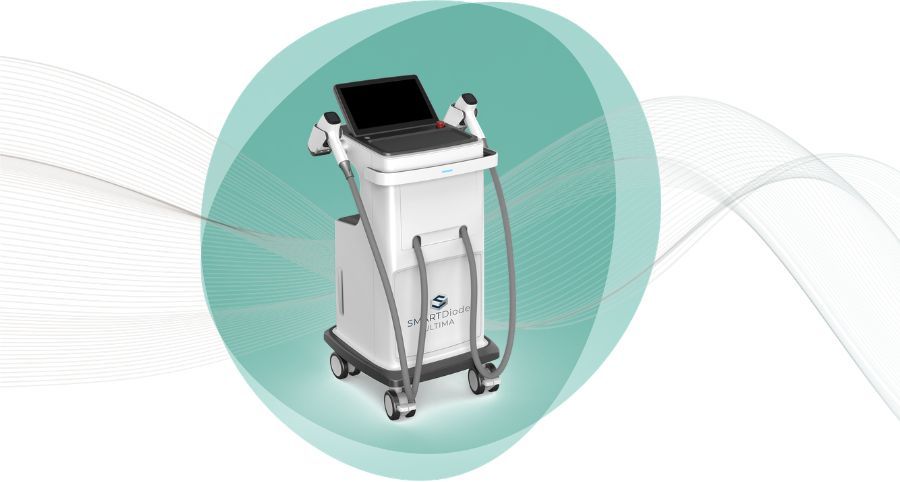
We’re excited to introduce SMARTDiode ULTIMA – the next generation of SMARTDiode technology and the most advanced laser hair removal platform we have ever brought to our customers. Created for specialist and expert clinics that refuse to compromise , ULTIMA brings together outstanding performance, exceptional client comfort and greater treatment flexibility in one premium professional platform. It represents an exciting evolution of our laser offering and gives established clinics the technology to deliver an even higher standard of laser hair removal. Taking professional laser hair removal to the next level Laser hair removal continues to be one of the most in-demand treatments in aesthetics. But as the market becomes increasingly competitive, simply offering laser hair removal is no longer enough. Clients expect excellent results, greater comfort and a premium experience, while clinics need technology that allows practitioners to work efficiently, confidently and adapt treatments to the individual client. That is exactly where SMARTDiode ULTIMA comes in. ULTIMA delivers 20% more laser power , with up to 120 J/cm², alongside pulse widths up to 60% shorter. Advanced sensor-controlled cooling provides a 25% improvement in cooling efficiency, while Super Cooling Mode has been designed to maximise client comfort throughout treatment. Clinics also have the flexibility of triple and single wavelength options across 755nm, 808nm and 1064nm , together with dual handpieces and multiple spot sizes to provide both fast treatment coverage and precision when working on smaller areas. But ULTIMA isn't only about what's happening beneath the skin. From handpieces that are 30% lighter to reduce therapist fatigue, to quieter operation, intelligent software, customisable treatment parameters and Smart Cloud diagnostics, the platform has been selected with the day-to-day realities of running a busy professional clinic in mind. Built for clinics that want to lead For us, SMARTDiode ULTIMA is about giving ambitious clinics the opportunity to differentiate their laser offering rather than compete in an increasingly crowded market on price alone. As our CEO, Josh Yardley, explains: “ULTIMA represents the next generation of SMARTDiode and, we believe, the strongest laser platform we have ever brought to our customers. We know what specialist and expert clinics expect from their technology – outstanding performance, reliability and an exceptional client experience – and ULTIMA delivers at that level.” ULTIMA is also supported by our three-year fix-or-replace warranty , helping protect your investment and keep one of your clinic's most important revenue-generating devices operational.

We’re delighted to announce an exciting new partnership between Smart Group Medical and Wigmore Medical, with Wigmore appointed as our exclusive pharmacy partner for AQ Skin Solutions in the UK.
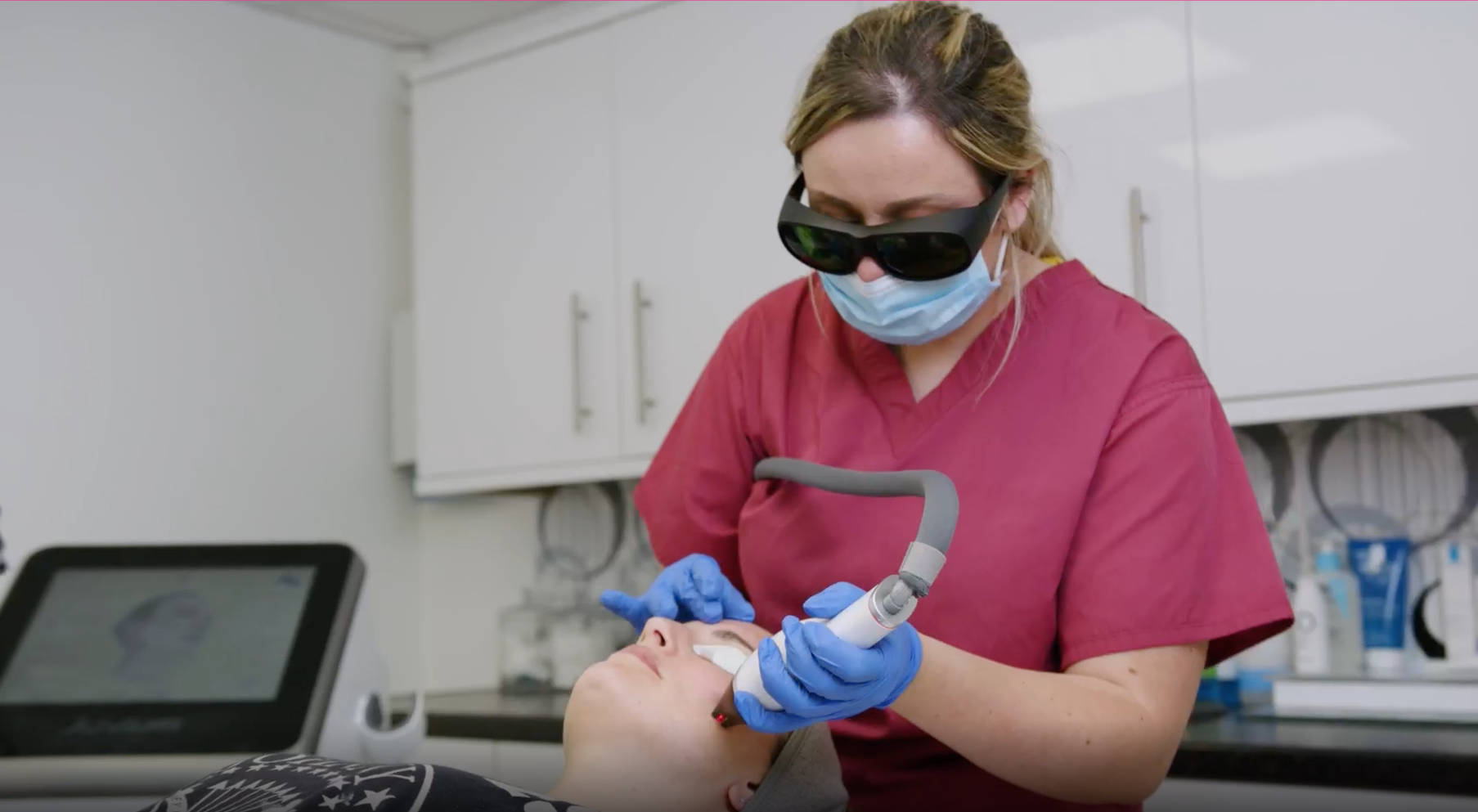
The Experience Economy: Why Clients Remember How You Made Them Feel The beauty industry has never been more competitive. Clients have more choice than ever before, with new salons and treatment providers emerging all the time. Great results are essential, but they're no longer the only thing that keeps clients coming back. Today's clients are investing in the entire experience. From the moment they enquire to the follow-up after their treatment, every interaction shapes how they perceive your salon and whether they'll recommend it to others. Luxury Is About Feeling Valued Creating a premium experience doesn't require a luxury fit-out or expensive décor. More often, it's the little things that make the biggest impression: greeting clients by name, running on time, listening carefully to their concerns and making them feel genuinely looked after. These moments build trust and set your salon apart in a crowded market. The Consultation Sets the Tone A great client journey starts with a thoughtful consultation. Rather than jumping straight into recommending treatments, take the time to understand your client's goals, explain realistic outcomes and create a treatment plan that's right for them. This approach builds confidence while positioning you as a trusted expert, not just a treatment provider. For advanced technologies such as collagen induction therapy) or high intensity focused ultrasound, consultations also give you the opportunity to educate clients on how treatment programmes work and why a personalised approach delivers the best long-term results. Don't Forget the Follow-Up The client experience shouldn't end when they walk out of the door. A quick message the next day, personalised aftercare advice or checking in on their progress shows clients that you genuinely care about their results. These simple touch-points take very little time but can significantly increase trust, satisfaction and repeat bookings. Technology Should Support the Experience Advanced technology doesn't just improve treatment outcomes. It helps create an experience that clients feel confident investing in. Whether you're delivering bespoke skin programmes with SkinXcell or offering comprehensive facial treatments with UltraFacial, the right technology allows you to personalise treatments, deliver consistent results and give clients confidence they're receiving high-quality care. Combined with expert knowledge and excellent customer service, technology becomes part of the overall experience, rather than simply the treatment itself. Turning Clients Into Advocates Loyal clients aren't created by one great treatment alone. They're created through consistent, positive experiences that make people feel understood, cared for and confident in your expertise. In an industry where recommendations carry so much weight, creating memorable experiences is one of the most valuable investments a salon can make. Because while clients may first visit for the treatment, it's the experience that keeps them coming back.