Understanding Energy-Based Devices: Helping Salon Owners Make Smart, Informed Choices
Understanding Energy-Based Devices: Helping Salon Owners Make Smart, Informed Choices
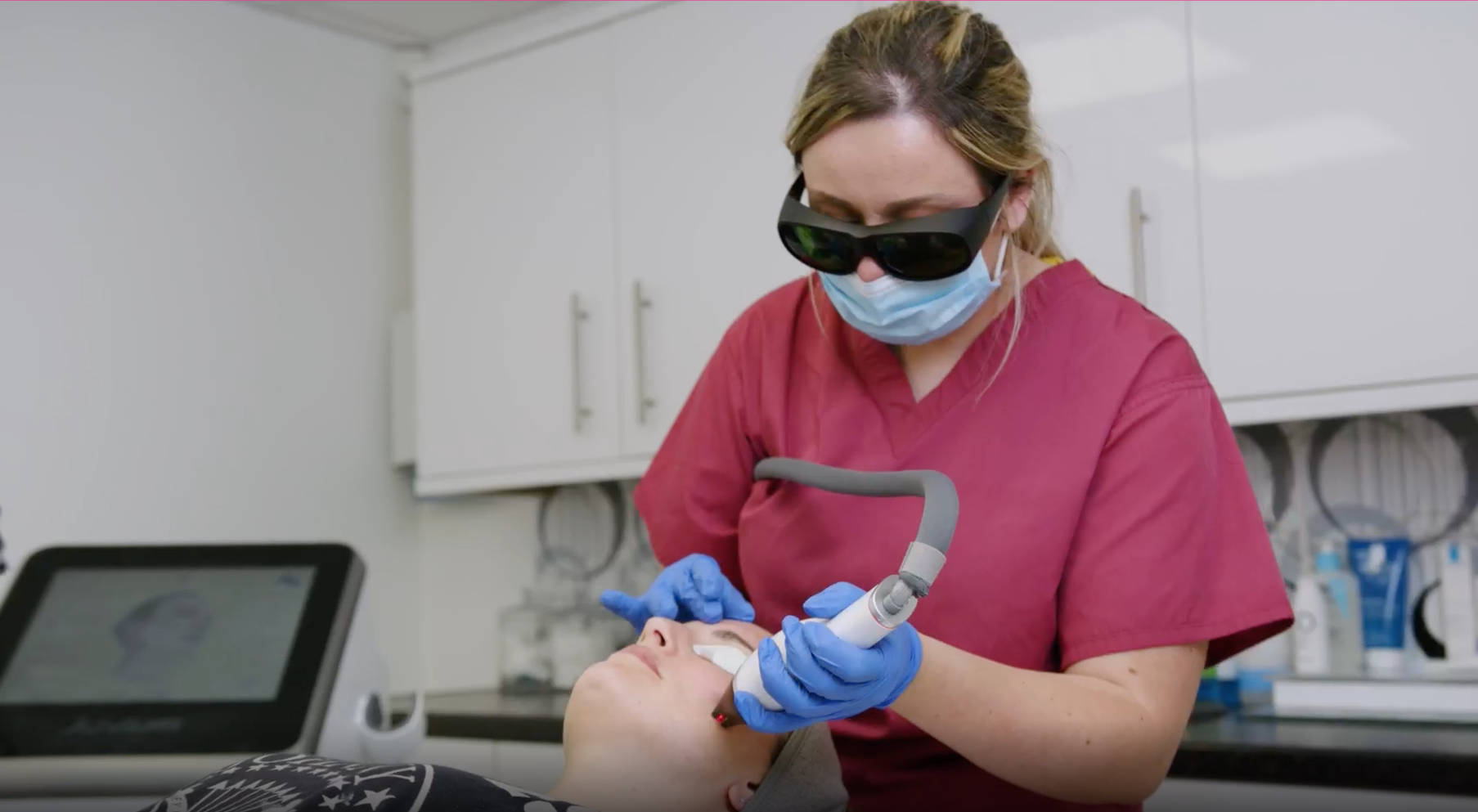
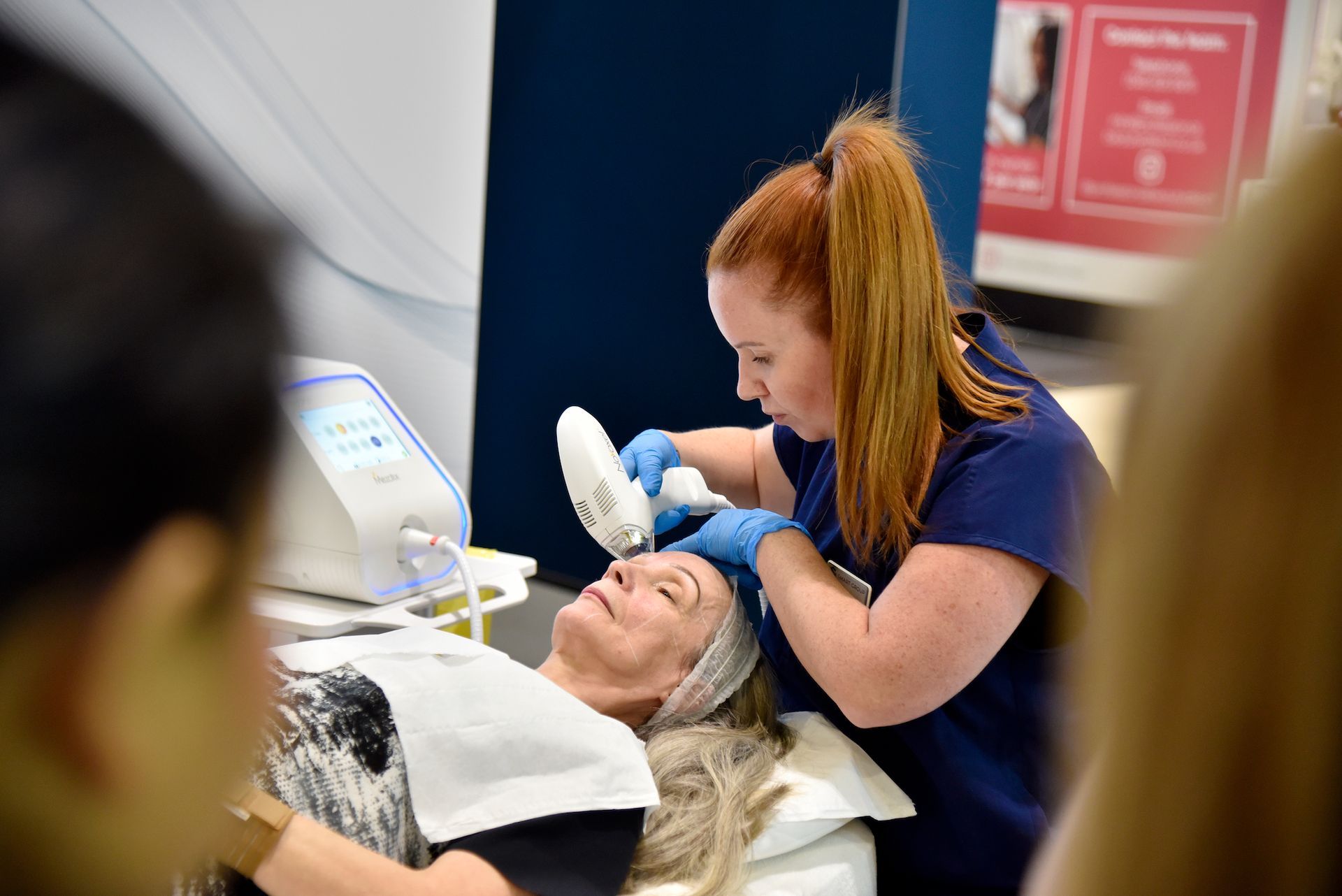
As beauty treatments continue to evolve, energy-based devices (EBDs) have become an important part of modern salons. Technologies such as laser, radiofrequency (RF), and high-intensity focused ultrasound (HIFU) now sit alongside traditional skincare treatments, offering powerful ways to improve skin quality, firmness, and overall appearance.
However, the language used around these technologies can sometimes feel confusing or overly technical. Terms such as stimulation, coagulation, and ablation are often used interchangeably, when in fact they describe very different ways the skin responds to energy.
At The Smart Group, we believe understanding these principles is essential. When salon owners and beauty professionals understand how energy interacts with the skin, they can make better decisions for their business — and more importantly, for their clients.
This article aims to explain these concepts in a clear and practical way, without losing the science behind them.
What Are Energy-Based Devices?
Energy-based devices use different types of energy to affect the skin in controlled ways.
- Laser and light devices use light energy that is absorbed by certain elements in the skin, such as water, pigment, or blood.
- Radiofrequency (RF) uses electrical energy that heats the skin through natural resistance in the tissue.
- HIFU (High-Intensity Focused Ultrasound) uses focused sound waves to deliver heat at very specific depths beneath the skin.
Although the energy source is different, the skin’s response generally falls into three main categories:
Stimulation, Coagulation, and Ablation.
These are not brands or treatment names — they describe how the skin responds to energy. Understanding the difference helps salon owners choose the right technology for different client needs.
1. Stimulation – Encouraging the Skin to Work Better
Stimulation (sometimes called biostimulation or non-ablative treatment) involves gentle, controlled heating of the skin without damaging the tissue.
What happens in the skin
- Fibroblast cells become more active
- Collagen and elastin production increases
- Overall skin activity improves
- No tissue is destroyed
Typical temperature range: around 40–45°C
Goal: Improve skin quality gradually with little to no downtime.
Examples of stimulation-based treatments
- Low-energy RF skin tightening
- Low-level laser therapy
- LED light therapy
- Gentle HIFU warming
Client experience
- Little to no downtime
- Gradual improvements in skin texture and firmness
- Ideal for maintenance, prevention, and early ageing concerns
A helpful way to think about stimulation is that it encourages the skin to behave like younger skin again.
2. Coagulation – Controlled Injury That Triggers Repair
Coagulation happens when energy heats the skin to a higher temperature, creating controlled damage within the tissue without removing skin.
What happens in the skin
- Collagen fibres tighten immediately
- Blood vessels can seal (which helps treat redness or vascular concerns)
- The body triggers a natural healing response
- New collagen forms as the skin repairs itself
Typical temperature range: around 60–75°C
Goal: Firmer skin, tightening, lifting and deeper skin remodelling.
Examples of coagulation-based treatments
- RF microneedling
- Non-ablative fractional lasers
- HIFU focal points
- Vascular laser treatments
Client experience
- Mild to moderate downtime possible
- More noticeable results than stimulation
- Often used as part of corrective skin treatments
Coagulation can be thought of as controlled skin injury that encourages stronger repair and renewal.
3. Ablation – Removing Tissue to Rebuild New Skin
Ablation is the strongest level of energy response. In this case, energy is delivered at a level that vaporises water inside the skin cells, effectively removing layers of tissue.
What happens in the skin
- The outer skin layer may be removed fully or in tiny controlled sections
- A surrounding zone of heat forms in the tissue
- The skin begins a strong healing process, producing new collagen
Typical temperature range: above 100°C
Goal: Skin resurfacing, reducing wrinkles, improving scars, and removing lesions.
Examples of ablative treatments
- CO₂ laser resurfacing
- Er:YAG laser treatments
- Plasma resurfacing
- Electrocautery procedures
Client experience
- More downtime compared to other treatments
- Higher risk if not performed correctly
- Often produces the most dramatic results
A simple way to understand ablation is that it removes part of the skin so new, healthier skin can form during healing.
Why Different Devices Create Different Results
Each technology works at different depths within the skin and delivers energy in different ways.
- Laser: works mainly in the upper to mid layers of the skin and targets pigment, water, or blood
- RF: heats larger areas of tissue deeper in the skin and works on all skin types
- HIFU: focuses energy very precisely at deeper layers beneath the skin
A simple analogy
Think of the skin like a mattress:
- Laser smooths the top layers
- RF warms the entire mattress
- HIFU tightens the deep springs
Understanding this helps salon owners choose treatments based on what the client’s skin actually needs, rather than simply choosing the newest device.
Empowering Better Decisions in Salons
Today’s beauty clients are informed and results-focused. They want to understand:
- Why a treatment is recommended
- What results they can realistically expect
- How much downtime may be involved
- Whether it fits their lifestyle
When salon owners understand stimulation, coagulation, and ablation, they can:
- Create safer treatment plans
- Set realistic expectations for clients
- Combine treatments more effectively
- Avoid unnecessary or overly aggressive treatments
This is not about using stronger devices — it’s about using the right level of energy for the right treatment goal.
The Smart Group Philosophy: Knowledge Before Technology
At The Smart Group, we believe education is just as important as innovation. Our approach is consumer-led, not manufacturer-driven. We focus on:
- Helping salon partners understand how technologies work
- Supporting informed treatment decisions
- Matching solutions to real client needs
- Prioritising long-term skin health
Our role is not simply to supply devices, but to help salons grow with confidence, knowledge, and the right tools.
Looking Ahead
As energy-based technologies continue to develop, the most successful salons will be those built on understanding rather than hype.
Knowing the difference between stimulation, coagulation, and ablation allows beauty professionals to design smarter treatment plans and deliver better results for their clients.
In an industry built on trust, education is the most powerful energy of all.