The Future of Laser Hair Removal: Faster Treatments, Better Experiences, Smarter Technology
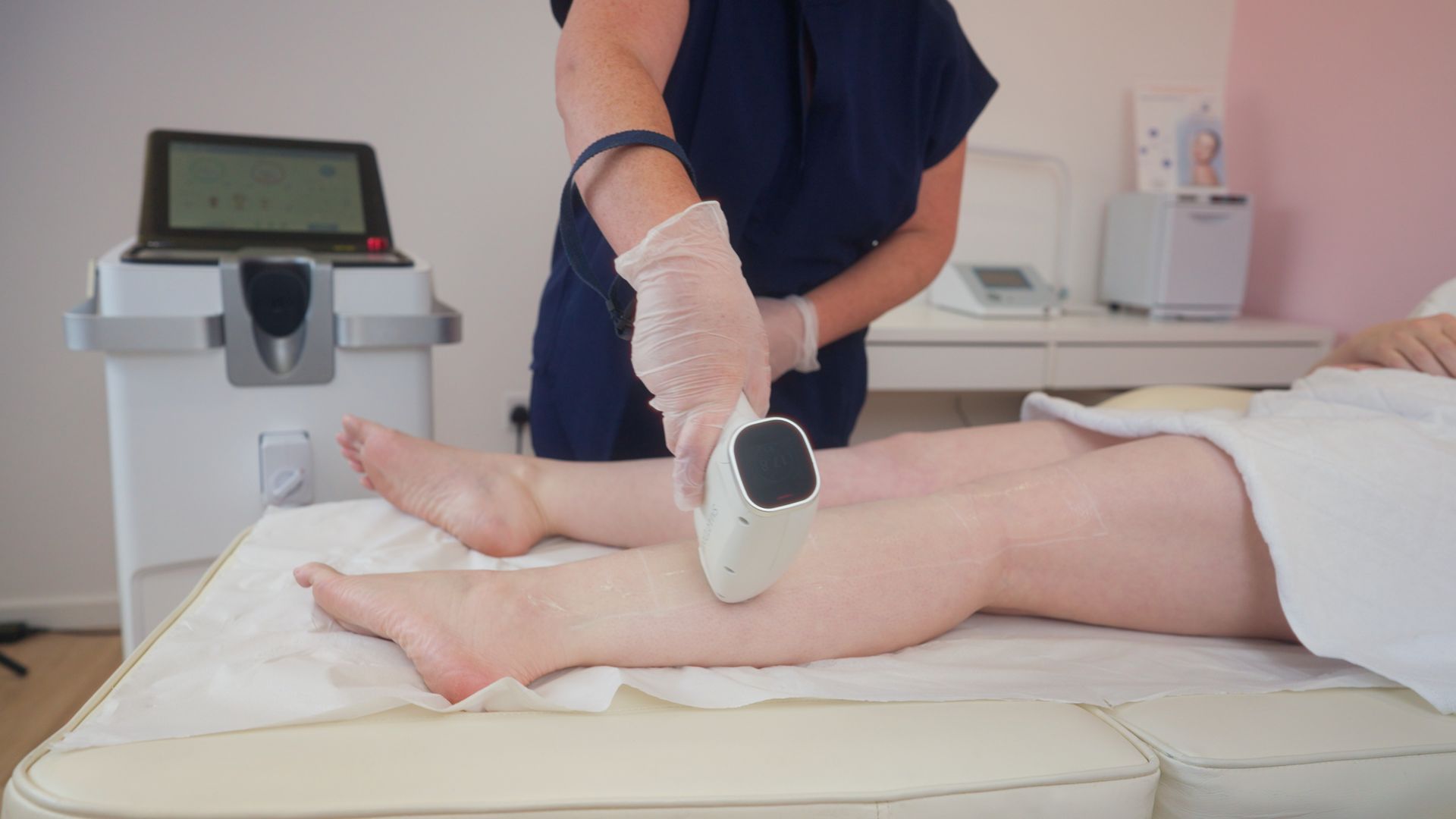
The aesthetics industry has spent years talking about laser hair removal in terms of technology. More power. Faster treatment times. Better cooling. Larger spot sizes. While these innovations have undoubtedly improved clinical outcomes, they've also distracted attention from a far more important question: What actually drives growth for a clinic?
The answer isn't simply owning a better laser.
In today's market, where many clinics have access to excellent technology, competitive advantage is shifting away from the device itself and towards how that technology is used to improve profitability, efficiency and client retention. That's a significant change in thinking, and it's one that many businesses are still overlooking.
Laser Hair Removal Has Become a Business Strategy
For many clinics, laser hair removal is the treatment that introduces a client to the business. A course typically involves six to eight appointments, creating months of regular contact rather than a single transactional visit.
That's a commercial opportunity that shouldn't be underestimated.
Every appointment allows practitioners to strengthen relationships, educate clients and identify other concerns they may not have originally booked to address. The clinics generating the greatest long-term value are no longer viewing laser as a standalone treatment; they're using it as the beginning of a wider patient journey.
As client acquisition costs continue to rise and competition becomes increasingly local, maximising the lifetime value of existing clients is often more profitable than continually chasing new enquiries.
Faster Treatments Don't Just Benefit Patients
When manufacturers talk about speed, the conversation usually centres around patient convenience. While shorter appointments are undoubtedly attractive, the commercial impact for clinics is arguably far more significant.
Reducing treatment times creates additional capacity without increasing staffing levels or extending clinic hours. Over the course of a year, those seemingly small efficiencies can translate into hundreds of additional appointment slots, improved utilisation of expensive equipment and greater revenue potential from the same physical space.
Technology should therefore be assessed not only by how quickly it treats a patient, but by how effectively it improves the productivity of the business behind it.
Stop Buying Technology. Start Solving Problems.
One of the biggest misconceptions in aesthetics is that growth comes from continually investing in the latest device.
In reality, successful clinics rarely buy equipment simply because it's new. They invest because it solves a commercial challenge, whether that's increasing capacity, improving patient satisfaction, reducing treatment times or opening opportunities for complementary treatments.
The question isn't "Is this better technology?"
It's "Will this make our business stronger?"
That shift in thinking often separates clinics that consistently grow from those that continually compete on price.
Looking Ahead
Laser hair removal will continue to evolve, and advancements in speed, comfort and technology will remain important. However, the clinics that lead the next phase of the industry are unlikely to be those with the longest list of devices.
They'll be the businesses that understand technology is only valuable when it delivers measurable commercial outcomes.
The future of laser hair removal isn't simply faster treatments, better experiences and smarter technology. It's using those advancements to build a more profitable, efficient and resilient clinic.