All About Treating Scars

January 10, 2023

One of the most common questions your clients may ask is “How do you treat scars?” and this can be a complex question. We will cover everything you need to know about scars and how to treat them. 


Scarring is part of the body's natural healing process post-tissue damage and is unique to every individual. When the skin is damaged, the tissues break and a protein called collagen is released, aiding in the healing and strength of the wound.


Different treatments are available depending on the client/circumstance to treat the scar (make it disappear).
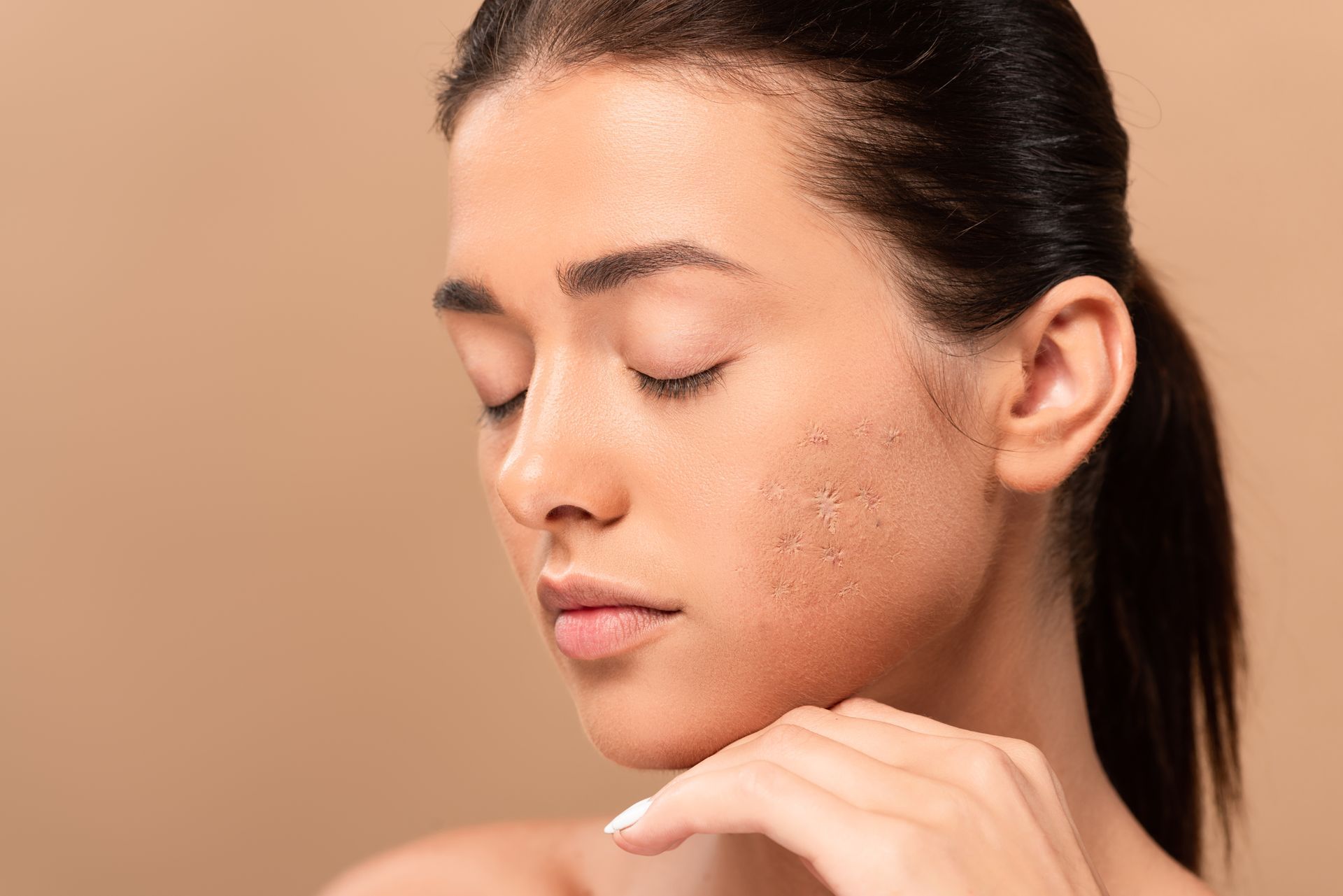
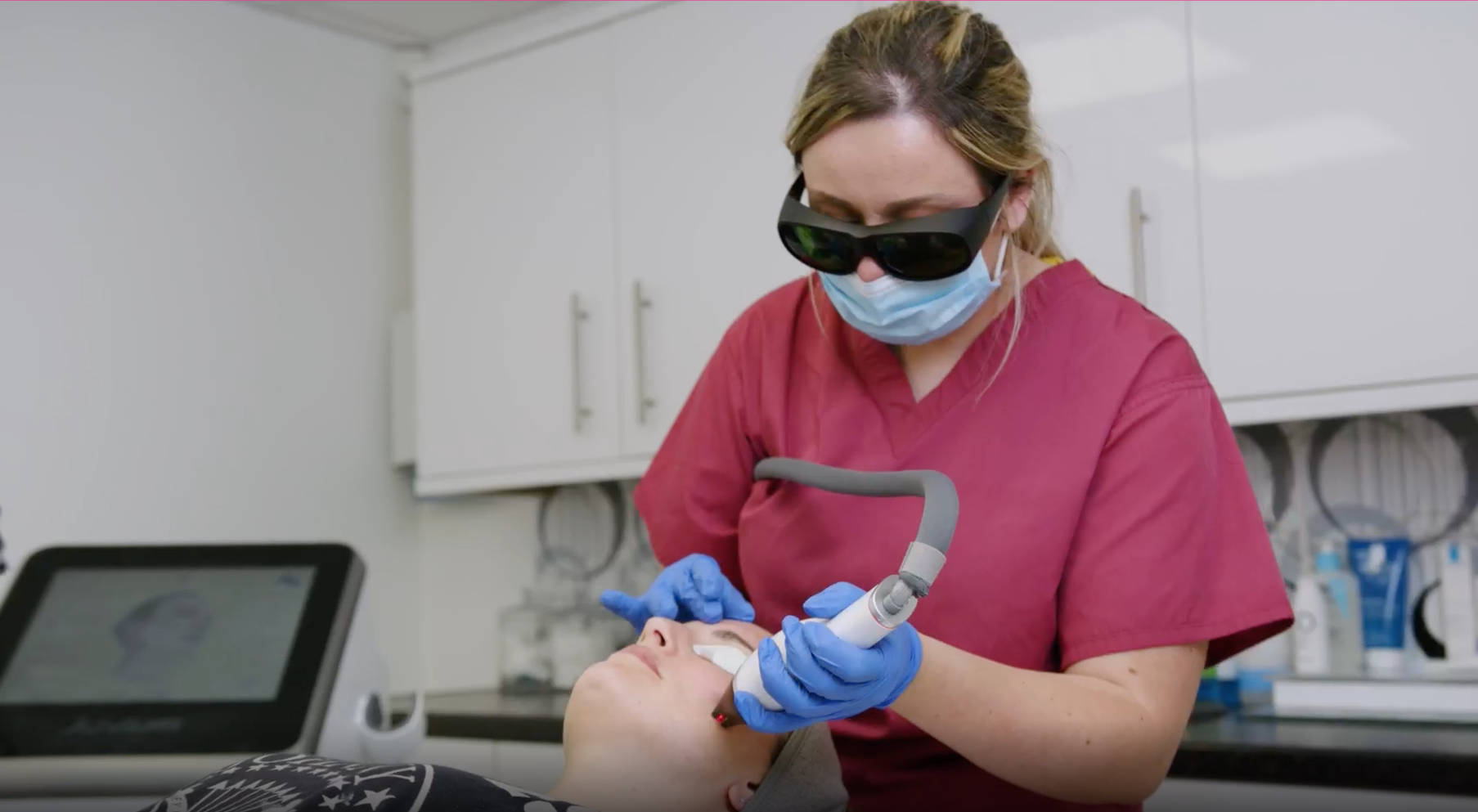
Women With Acne Scars Receiving Treatment

What are the different types of scars?


Scars that are fine seem to fade after the incision has healed fully, while bigger or deeper scars might be visible for the rest of your life. Some individuals are more prone to scarring than others, and different skin types heal differently. The most common types of scars are:


  • Surgical scars
  • Acne scars
  • Keloid scars, caused by overproduction of collagen during wound healing
  • Contracture scars, caused by burns


The good news is that scars can fade with assistance. Scars may never totally disappear, but with the correct care and treatment, their appearance can be significantly enhanced or even avoided. 


The following treatments may help scars seem less noticeable:


Plasma Pen


Plasma pens are a gentle alternative to skin tightening, helping to reduce the appearance of scarring, leading systems such as the A|C|C|O|R Cosmetic Corrector can achieve incredible, permanent results. 


A|C|C|O|R operates at approximately 1mm above the surface of the skin and creates a minuscule electrical ‘plasma arc’ at its tip. When the plasma arc touches the skin, it vaporises a microdot on the skin’s surface.


The process is called sublimation and LF technology, unique to the A|C|C|O|R is what enables the treatment imprint to be wider and shallower than traditional thermal-only devices. This dot minimally tightens the skin. Several points are applied together to create a “reduction grid”, allowing excess skin to be tightened and for the appearance of scars to be improved.


Injectables


Soft tissue dermal fillers can help treat skin that is pitted. Injecting behind an atrophic scar lifts and plumps the region, giving the skin a more even finish and partially undoing the harm caused by inflammatory acne.


Unfortunately, fillers and injectables are not permanent, unlike plasma pens. They can last anywhere between a few months and two years, depending on the brand or person. 


Minor bruising is a common symptom for patients, along with rashes, swelling, and possible infection. Your clients may experience the filler migrating away from the targeted place over time, or, in very rare cases, they may develop lumps under the skin. It is important to do research since each kind of filler has its own set of harmful impacts.


Microneedling or Non-invasive Skin Rejuvenation


Microneedling


Microneedling is the process of creating hundreds of tiny, undetectable punctures on the skin's surface using small needles. When the skin is stimulated, TGF beta1 is activated, which promotes the skin's natural healing processes and can lead to more collagen and elastin production, pushing away the scar appearance. 


It is often safe and efficient to use microneedling. Following treatment, some swelling, redness, or sensitivity is common, and mild bleeding is also typical during the procedure. 


Whilst a proven and effective clinical method requires few treatments, microneedling and its quasi invasive procedure may not be suitable to all.


Non-invasive Skin Rejuvenation


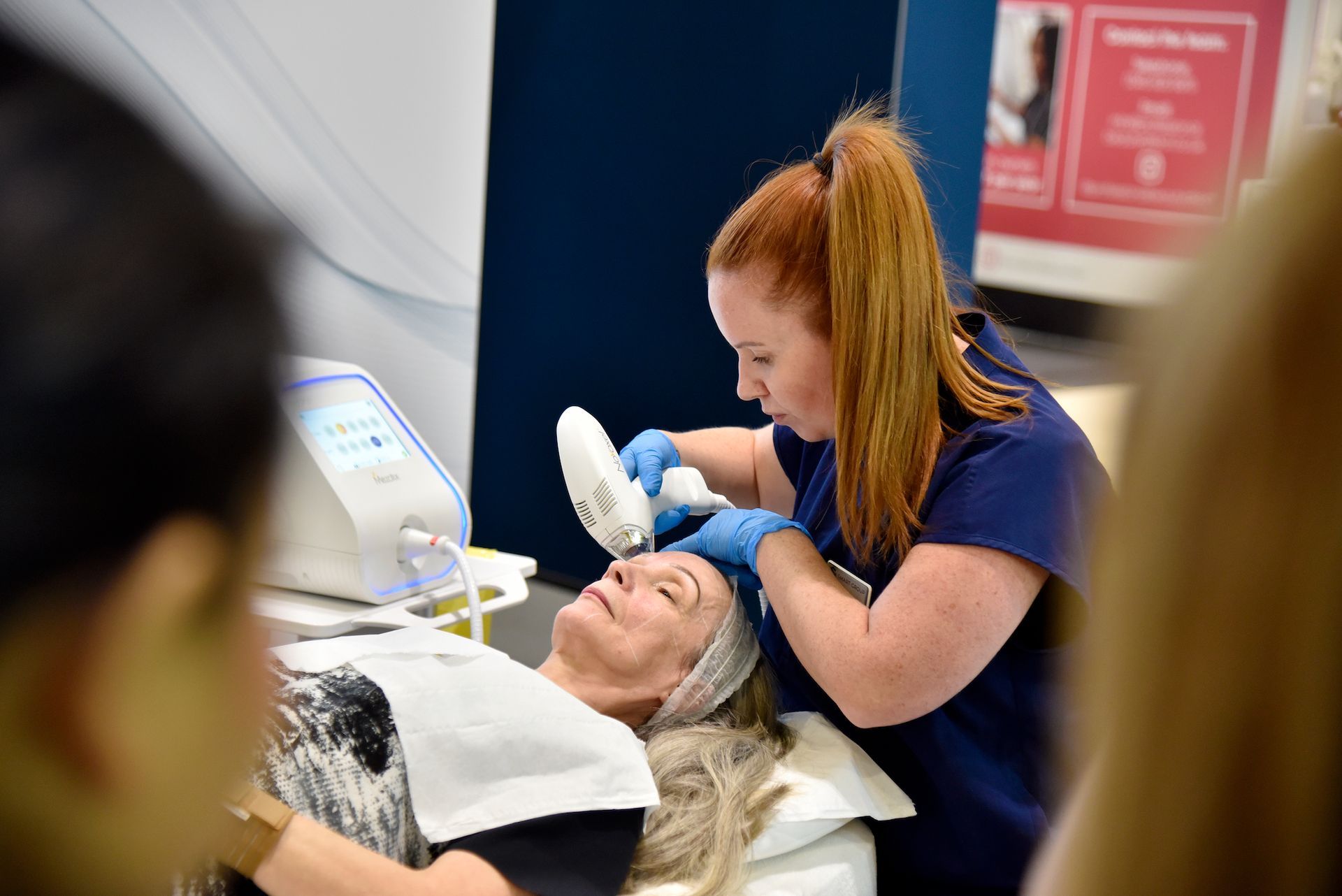
A great alternative to micro-needling is non-invasive skin rejuvenation. Products such as the SMARTJuvium use a process where laser energy is absorbed by water molecules, producing heat and controlled trauma within the target area. 


The fractional delivery technology directly affects less than 10% of a targeted area, creating thousands of Microscopic Thermal Zones in the skin. This stimulates repair, collagen production, skin remodelling and regeneration of the whole area, reducing the appearance of the scar. 


SMARTJuvium is considered the SMART choice for all aesthetic businesses, achieving proven, dramatic and measurable improvement in both permanent skin structure and appearance, delivering multiple treatment options for a variety of indications.


Start discovering results with fractional non-ablative resurfacing today.

By Dee Malan March 3, 2026
Skin Regeneration: The Cornerstone of Modern Beauty Over the last decade, the beauty industry has undergone a significant transformation. Once dominated by invasive procedures and surface-level solutions, today’s market is increasingly focused on skin regeneration — helping the skin repair, renew, and rebuild itself naturally. The science of skin renewal has existed for many years, but it is only in the last 10–15 years that these ideas have become part of everyday professional beauty treatments. Advances such as microneedling, LED light therapy, skin boosters and collagen-stimulating treatments have moved from specialist use into mainstream salon environments. What was once seen as advanced or medical is now part of modern beauty — focused on healthier skin, not just younger-looking skin. The Beauty Industry’s Evolution Fifteen years ago, beauty was largely defined by topical skincare, cosmetic coverage, and stronger anti-ageing treatments. Today, the industry sits at the crossroads of science, wellness, and technology. In 2025, the global skin rejuvenation market was valued at approximately USD 2.17 billion and is expected to exceed USD 5.2 billion by 2035, driven by growing demand for non-invasive, skin-renewing treatments. Alongside this, the non-invasive aesthetics market — including lasers, skin tightening, injectables, and advanced facial treatments — was valued at around USD 22.7 billion in 2025 and is forecast to grow beyond USD 43 billion by 2035. These figures highlight a clear shift: consumers are moving away from surgery and harsh procedures and toward treatments that work with the skin’s natural processes and require little to no downtime. Skin regeneration has become a foundation of modern beauty rather than a niche concept. Why Skin Regeneration Matters Now Several key forces are shaping today’s focus on skin regeneration: 1. Advances in Technology Today’s devices and products can safely encourage collagen production, improve skin renewal, and support healing without invasive procedures. LED therapy, gentle controlled treatments and bioactive ingredients have made regeneration more accessible, comfortable, and practical for salon use. 2. The Rise of Preventative Beauty Clients are starting treatments earlier — not to dramatically change their appearance, but to maintain and protect their skin over time. This shift toward prevention has made regenerative treatments more appealing than corrective ones. 3. Wellness and Skin Health Culture Beauty is now closely linked to overall wellbeing. Skin is seen as something to be supported and strengthened, not forced into change. Healthy skin is the new beauty goal. 4. Social Media and Visibility High-definition cameras, video calls and social media have increased awareness of skin texture, tone and quality. Clients want treatments that improve their skin naturally — without looking like they’ve “had work done.” From Quick Fixes to Smart Fixes Today’s beauty consumer is informed, busy and result-focused. They are asking: How soon can I get back to work? Will this hurt? When will I see results? Is this good for my skin long-term? This reflects a wider cultural shift toward instant results combined with comfort and convenience. People want effective treatments, but they also want them to fit into real life. Salons are seeing growing demand for treatments that improve the skin gradually and naturally, rather than aggressive changes. The trend is moving toward enhancing what you already have, instead of trying to completely alter it. What This Means for Salons For salon owners, this evolution creates both opportunity and responsibility. Clients are more knowledgeable and more selective than ever. They expect their beauty professional to understand: What a treatment does Why it is being recommended What results they can realistically expect How it supports long-term skin health Partnering with a supplier who understands today’s consumer — and who can provide regenerative solutions that are safe, comfortable, and proven — is key. Not just products and devices, but education, training and guidance. The Smart Group Difference At The Smart Group, one of our core beliefs is simple: we are consumer-led, not manufacturer-driven. We don’t follow trends just because they are new. We listen to what clients are asking for and then bring forward products, technologies and training that meet those needs responsibly. We believe: Skin regeneration should support long-term skin health, not just short-term results Treatments should be effective and comfortable Education and outcomes matter just as much as innovation This people-first mindset reflects the very changes shaping the beauty industry today. Looking Forward Skin regeneration is not a passing trend — it is the future of beauty. As technology and skin science continue to evolve, the salons that succeed will be those that focus on evidence-based, low-downtime, high-impact treatments. For salon owners, the question is no longer whether skin regeneration will shape the next decade of beauty — but how ready you are to be part of that future.
July 16, 2025
Why Laser Hair Removal Remains One of the Smartest Moves for Ambitious Clinics in 2025
By Giulia Morabito February 26, 2025
JOIN US in ExCeL, London, this 2-3 MARCH 2025
More Posts