Laser Hair Removal vs Waxing vs Shaving: Who’s the real winner?
August 2, 2022

Laser Hair Removal vs Waxing vs Shaving: Who’s the real winner?

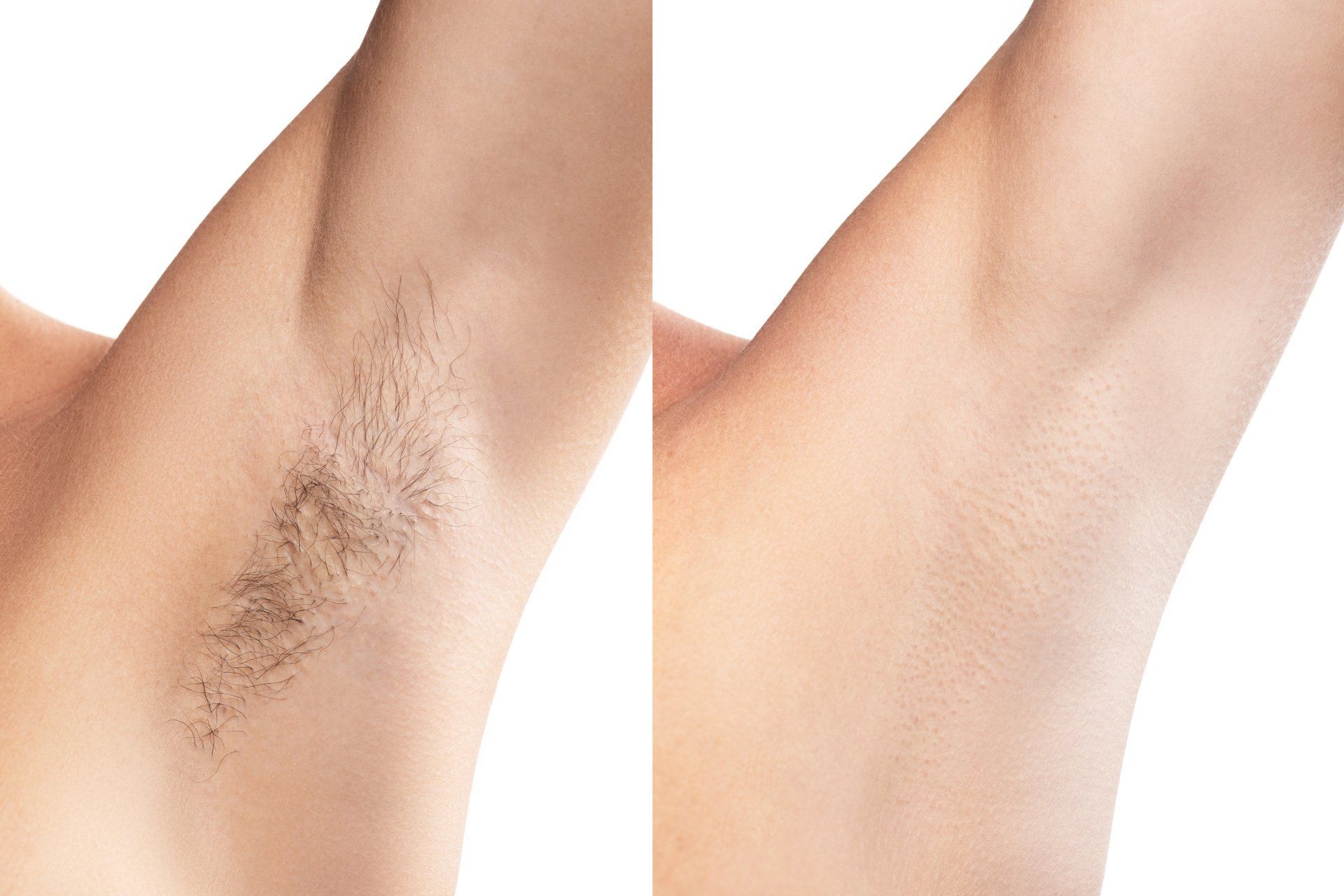
Armpit hair removal before and after

For decades, women have grappled with the exhausting task of removing unwanted hair. At first, shaving seemed to offer a quick and convenient fix, but then women flocked to salons for their monthly wax. Lately, laser hair removal has taken centre stage, becoming one of the most in-demand treatments. 


But which is really the best treatment? Which hair removal method is going to offer both a long-term, affordable solution for your client and a profitable method for your business? In this blog, we compare the three major methods of hair removal, before crowning one as the champion.


Shaving

It’s cheap, it’s quick, but it’s also the most irritating and temporary hair removal method. Shaving works by removing the hair at the surface of the skin, rather than targeting the root of the hair follicle. This means hair grows back quickly, making shaving required on a more regular basis.


Hair removed from shaving can also grow back thicker and prickly. Razor burn, cuts, rashes and ingrown hairs are all possibilities of shaving. There is significant evidence to show that over years of prolonged shaving of the same area of skin, trauma caused to the skin can cause irreparable damage.


Average Cost

While many think shaving is the most budget-friendly hair removal method, the average woman will still spend £6,500 and 8 weeks of her life managing unwanted hair through shaving! This method requires a lot more upkeep than other methods, making it expensive and time-consuming.


Waxing

The well-known *1,2,3 hold your breath and think good thoughts* method - waxing involves hot wax being applied to the treatment area which is then removed in the opposite direction to hair growth, pulling the hairs out from the root. 


While the results last longer than shaving, hairs are only temporarily removed, and start growing back after an average of 3 weeks, making it much less effective than laser hair removal. There also needs to be a little bit of regrowth in order for the wax to be effective, so you will end up with a little hair growth in between sessions. 


Average Cost

Waxing can cost anywhere from £20 to £60 per area, and the average woman will spend a shocking £23,000 on waxing in her lifetime. 


Laser Hair Removal

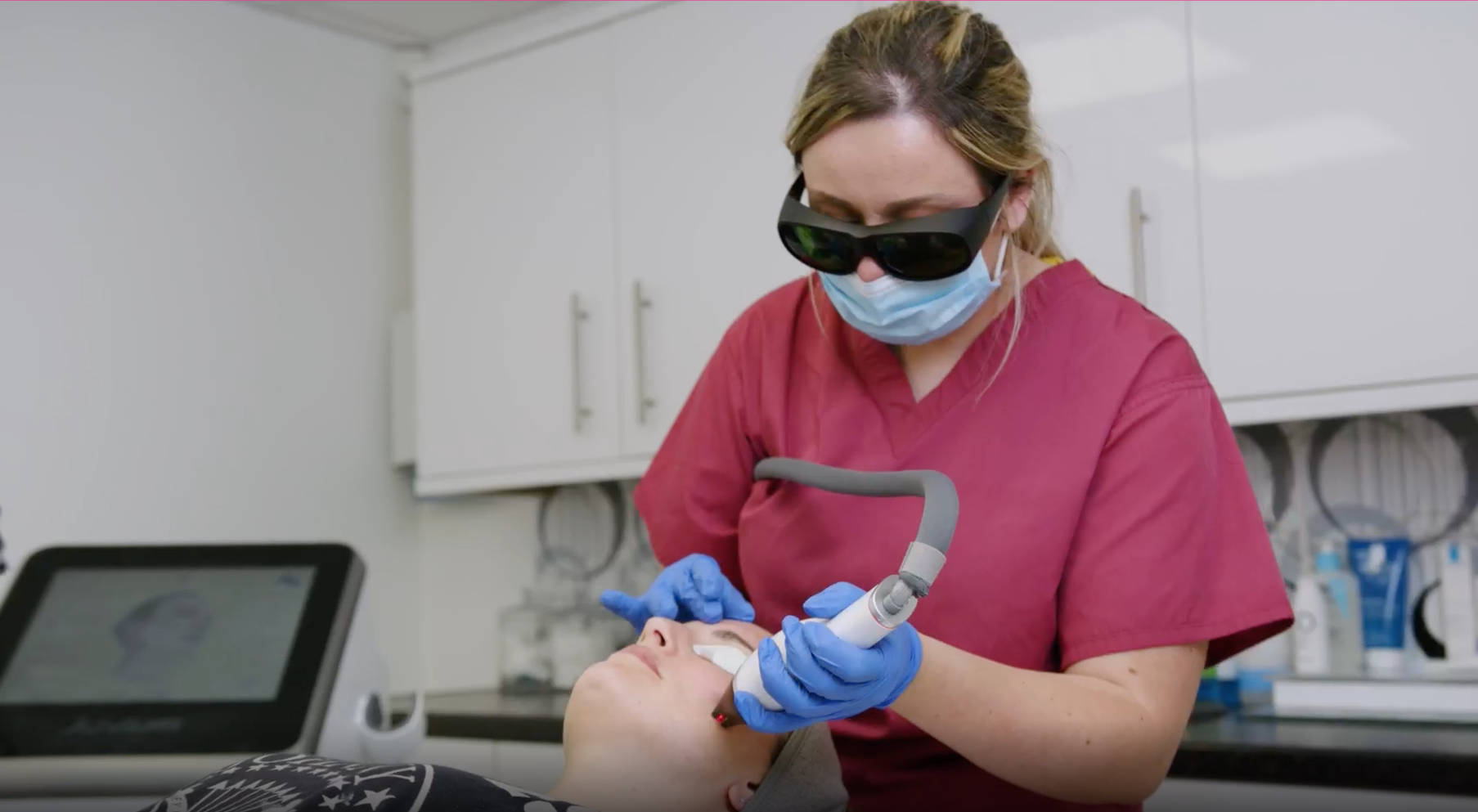
Laser hair removal works by emitting a specific wavelength of light to target the hair follicle at the root. This essentially destroys the follicle, inhibiting hair from regrowing. This method of hair removal has been proven to be the safest and kindest method for the skin, with no negative impact to the skin meaning that even the most sensitive skin can be treated. 


For many, laser hair removal results in permanent hair loss. A minimum of six sessions are required using our
SMARTDiode medical-grade laser technology, with most UK patients requiring an average of 8 sessions. This makes it not only a more affordable treatment for your clients than both waxing and shaving, but it creates client loyalty for your salon, as customers will normally buy a pack of sessions up front. 


Average Cost

SMARTDiode costs around £60 a session, depending on the area being treated. With 6-8 sessions required and £260+ revenue an hour, SMARTDiode is both good value for your clients and your salon!


Conclusion

Both waxing and shaving are only temporary hair removal solutions. The SMARTDiode, on the other hand, offers a permanent solution to hair removal. 


Our MHRA-registered device is the pinnacle in effective, fast and comfortable laser hair removal for all skin types. Combining adaptive triple wavelength technology with optimum power output, the
SMARTDiode delivers exceptional results and client satisfaction. 


SHR delivery ensures super-fast treatment times, increasing clinic revenue. Designed for the future with state-of-the-art design, superior build quality and the latest in control and diagnostic technology - our signature laser hair removal platform is the best in its class.


Key benefits:


  • No consumable operating cost (goodbye wax pot direct debit!)⁣
  • Average treatment time of under 15 minutes⁣
  • Average price of £67 a session = delivering £260+ per hour revenue⁣
  • Client loyalty: A minimum of six sessions is required (the UK average is eight)⁣⁣


If you’re ready to transform your salon offering and grow your customer base with our advanced medical-grade laser technology, visit our website to claim your
Smart Start 6 offer, allowing you to own a SMARTDiode for only £50 a month for the first 6 months.


Claim Your Offer
By Dee Malan March 3, 2026
Skin Regeneration: The Cornerstone of Modern Beauty Over the last decade, the beauty industry has undergone a significant transformation. Once dominated by invasive procedures and surface-level solutions, today’s market is increasingly focused on skin regeneration — helping the skin repair, renew, and rebuild itself naturally. The science of skin renewal has existed for many years, but it is only in the last 10–15 years that these ideas have become part of everyday professional beauty treatments. Advances such as microneedling, LED light therapy, skin boosters and collagen-stimulating treatments have moved from specialist use into mainstream salon environments. What was once seen as advanced or medical is now part of modern beauty — focused on healthier skin, not just younger-looking skin. The Beauty Industry’s Evolution Fifteen years ago, beauty was largely defined by topical skincare, cosmetic coverage, and stronger anti-ageing treatments. Today, the industry sits at the crossroads of science, wellness, and technology. In 2025, the global skin rejuvenation market was valued at approximately USD 2.17 billion and is expected to exceed USD 5.2 billion by 2035, driven by growing demand for non-invasive, skin-renewing treatments. Alongside this, the non-invasive aesthetics market — including lasers, skin tightening, injectables, and advanced facial treatments — was valued at around USD 22.7 billion in 2025 and is forecast to grow beyond USD 43 billion by 2035. These figures highlight a clear shift: consumers are moving away from surgery and harsh procedures and toward treatments that work with the skin’s natural processes and require little to no downtime. Skin regeneration has become a foundation of modern beauty rather than a niche concept. Why Skin Regeneration Matters Now Several key forces are shaping today’s focus on skin regeneration: 1. Advances in Technology Today’s devices and products can safely encourage collagen production, improve skin renewal, and support healing without invasive procedures. LED therapy, gentle controlled treatments and bioactive ingredients have made regeneration more accessible, comfortable, and practical for salon use. 2. The Rise of Preventative Beauty Clients are starting treatments earlier — not to dramatically change their appearance, but to maintain and protect their skin over time. This shift toward prevention has made regenerative treatments more appealing than corrective ones. 3. Wellness and Skin Health Culture Beauty is now closely linked to overall wellbeing. Skin is seen as something to be supported and strengthened, not forced into change. Healthy skin is the new beauty goal. 4. Social Media and Visibility High-definition cameras, video calls and social media have increased awareness of skin texture, tone and quality. Clients want treatments that improve their skin naturally — without looking like they’ve “had work done.” From Quick Fixes to Smart Fixes Today’s beauty consumer is informed, busy and result-focused. They are asking: How soon can I get back to work? Will this hurt? When will I see results? Is this good for my skin long-term? This reflects a wider cultural shift toward instant results combined with comfort and convenience. People want effective treatments, but they also want them to fit into real life. Salons are seeing growing demand for treatments that improve the skin gradually and naturally, rather than aggressive changes. The trend is moving toward enhancing what you already have, instead of trying to completely alter it. What This Means for Salons For salon owners, this evolution creates both opportunity and responsibility. Clients are more knowledgeable and more selective than ever. They expect their beauty professional to understand: What a treatment does Why it is being recommended What results they can realistically expect How it supports long-term skin health Partnering with a supplier who understands today’s consumer — and who can provide regenerative solutions that are safe, comfortable, and proven — is key. Not just products and devices, but education, training and guidance. The Smart Group Difference At The Smart Group, one of our core beliefs is simple: we are consumer-led, not manufacturer-driven. We don’t follow trends just because they are new. We listen to what clients are asking for and then bring forward products, technologies and training that meet those needs responsibly. We believe: Skin regeneration should support long-term skin health, not just short-term results Treatments should be effective and comfortable Education and outcomes matter just as much as innovation This people-first mindset reflects the very changes shaping the beauty industry today. Looking Forward Skin regeneration is not a passing trend — it is the future of beauty. As technology and skin science continue to evolve, the salons that succeed will be those that focus on evidence-based, low-downtime, high-impact treatments. For salon owners, the question is no longer whether skin regeneration will shape the next decade of beauty — but how ready you are to be part of that future.
July 16, 2025
Why Laser Hair Removal Remains One of the Smartest Moves for Ambitious Clinics in 2025
By Giulia Morabito February 26, 2025
JOIN US in ExCeL, London, this 2-3 MARCH 2025
More Posts