Why Laser Hair Removal is Essential for Today’s Aesthetic Beauty Clinic

November 11, 2020

One of the biggest treatments across the industry, hair removal can be delivered in a myriad of ways, with a huge number of treatment options available for aesthetic beauty professionals. However, not all options are equal. If you are looking for the most profitable, high-quality and efficient option, let us give you the facts.

With the removal of hair carried out by an estimated 98% of women and a fast-growing male sector of society now wanting a follicle solution, is it any wonder that hair removal remains one of the biggest treatments across the industry?

From retail lotions and potions to ancient techniques such as threading, there is a myriad of depilation options available – yet the old wax pot sits proud, bubbling away in treatment rooms across the nation as a ‘core’, ‘must-have’ and ‘go-to’ treatment for the aesthetic beauty operator. The question is, why?

Our compatriots in Europe have long since ditched the sticky, messy and painful wax experience. Our cousins across the pond in the USA don’t understand why salons and clinics join the race to the bottom with such a low price treatment – “Show me the money!” I hear them cry!

Surveys show that an amazing 75% of women would like unwanted hair removed permanently

Surveys show that an amazing 75% of women would like unwanted hair removed permanently (we haven’t yet asked all those under-30 males following their Love Island brothers). So, if you haven’t considered introducing laser hair removal to your beauty business, do you not think you are missing a trick?

Is it fear? A reluctance to change? Or a blind loyalty to your wax supplier, who loves seeing you habitually re-order as often as you pay your mobile phone bill.

Let’s have a look at the common misconceptions:

“Wax clients are my bread and butter!”

Wrong!

Most of your wax clients aren’t loyal or of real value to your business. It would be great to see ‘Lucy’ every four weeks for her 15-minute bikini line wax, generating £12 a treatment, £144 a year. However, that often doesn’t happen in the real world!

Most waxing customers use you for convenience; “I need it done ASAP for my summer holiday!”, “I’ve got a date!”, I’ve been lazy and let it get out of hand.” If your price is not competitive, irrelevant of the waxing product or protocol you use, they pop into the next salon, nail bar, hairdresser, chemist, department store … you get the idea. Essentially every Tom, Dick and Harry offer fundamentally the same low-margin treatment as you do.

“Waxing is a profitable part of my business”

You could do better!

Unless you are a dedicated wax bar, with your whole business model based on fast, efficient delivery and volume of clients, does waxing really stack up in a post-COVID world?

“Lasers are painful, expensive and don’t always work”

Not anymore!

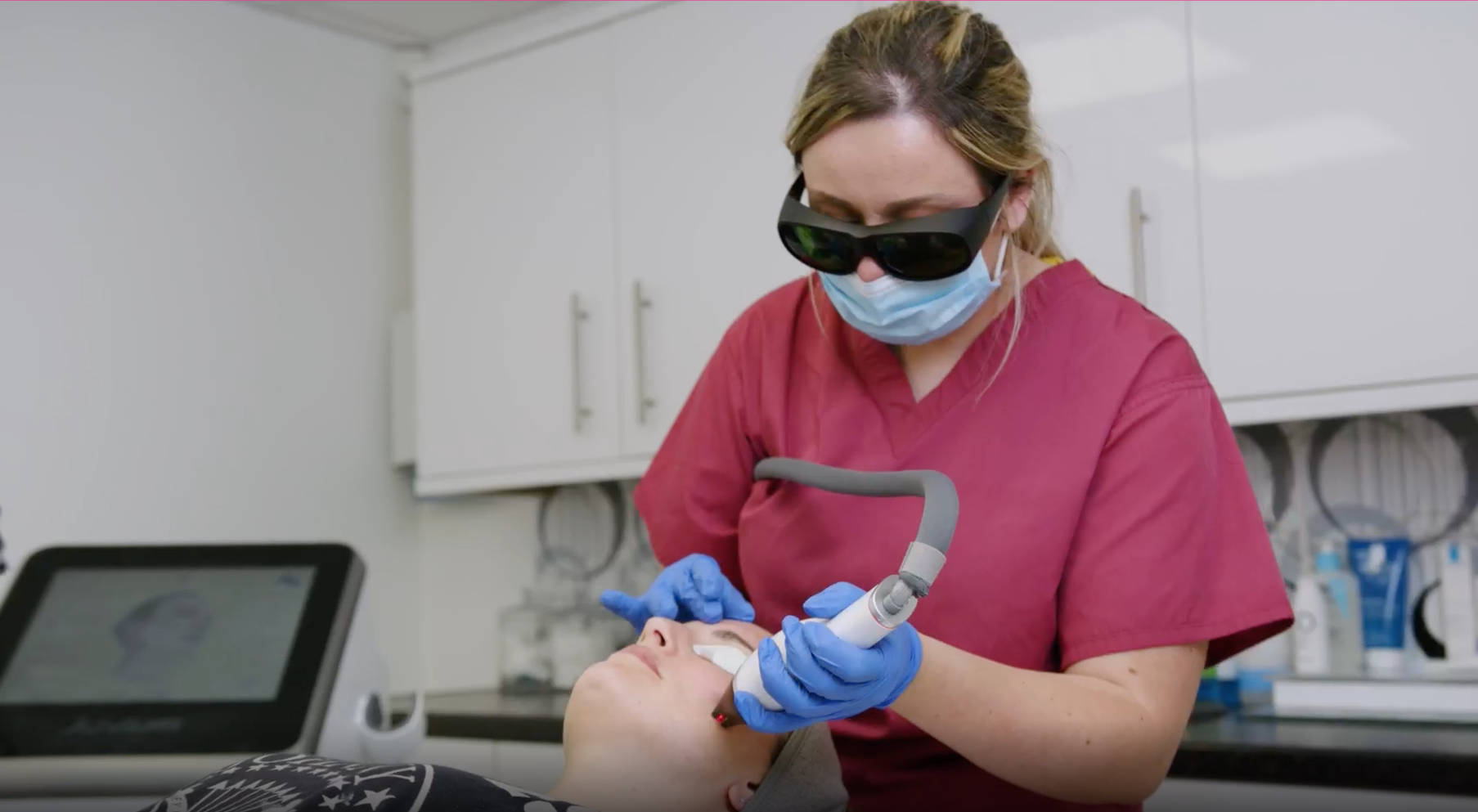
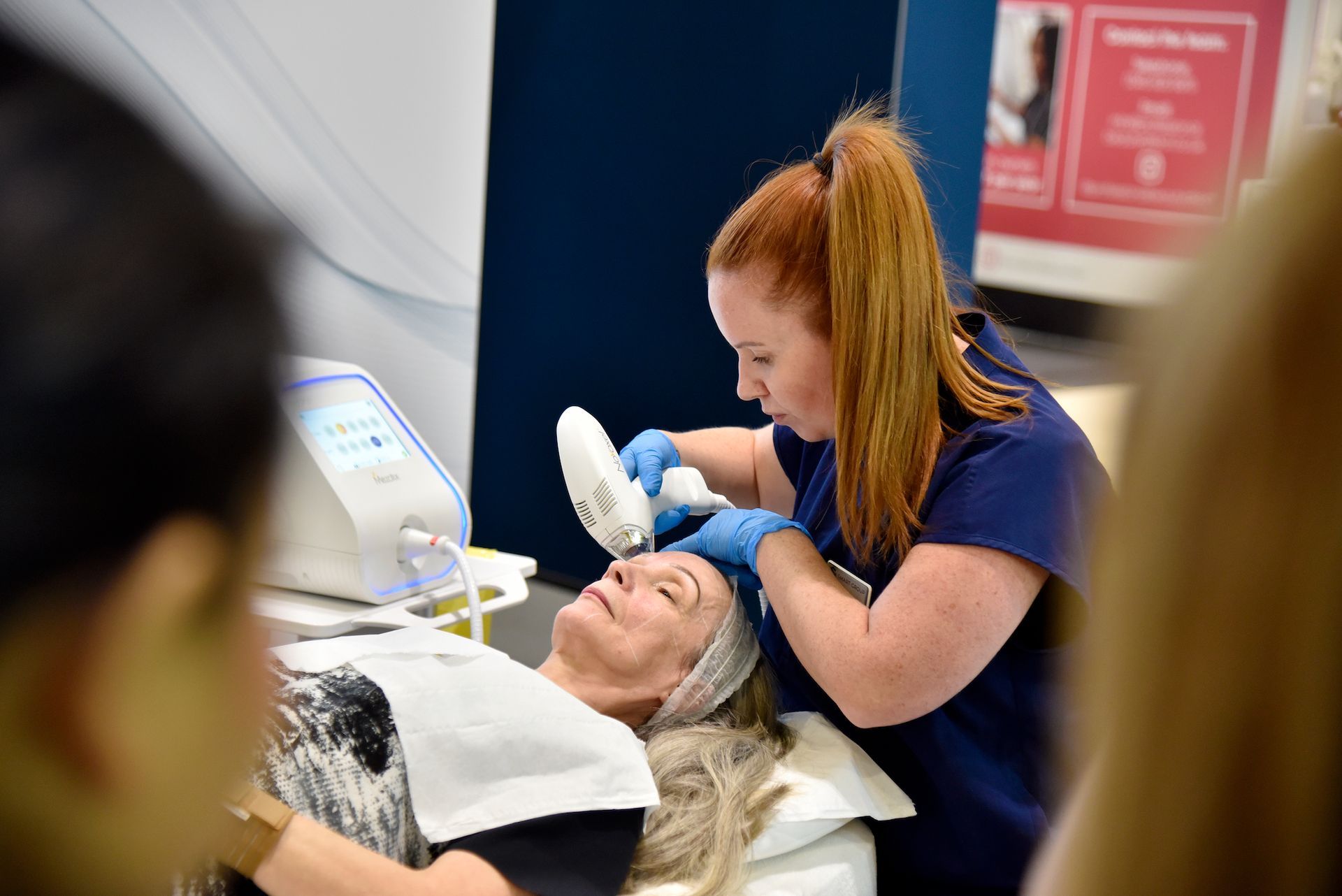
The latest generation of diode technology lasers enable super-fast pain-free hair removal at an affordable treatment price – a fantastic new reality that all professional Aesthetic beauty clinics should at least consider. 

The Smart Diode is a medical-grade, state-of-the-art laser platform that provides certified excellence in results, client comfort and clinical care – with no consumable operating cost (goodbye wax pot direct debit!). Average treatment times are under 13 minutes and at £60 a session deliver £260+ per hour revenue. That’s an affordable treatment for your clients, delivering high profit for your business. 


The Smart Diode facilitates client loyalty as a minimum of six sessions is required (the UK average is eight). It is loved across the community for treating all skin types and is perfect for delivering those high-revenue male chest and back treatments in 20-30 minutes. Oh, and did I mention that over 30% of Smart Diode clients buy a secondary area upgrade because they are so impressed with the results?

You can trust our company just as much as you trust our products. We are lucky to boast over 20 years’ experience in delivering laser hair removal treatments to the UK public, enabling us to be confident enough that the Smart Diode will deliver you excellent results and satisfied customers that we offer a money-back guarantee on the Smart Diode. Now that is confidence!

Smart Diode pain-free laser hair removal is a Covid-safe, low-risk, hands-off treatment suitable for the ‘new normal’. So, embrace 2020. Leave the wax to the bees and start generating thousands of pounds with high-profit treatments that your customers will love, be loyal to and want more of.

You can introduce the latest in pain free, super-fast laser hair removal to your clinic from only £399 a month – just get in touch with us today to start your Smart Diode journey. 


By Dee Malan March 30, 2026
Understanding Energy-Based Devices: Helping Salon Owners Make Smart, Informed Choices As beauty treatments continue to evolve, energy-based devices (EBDs) have become an important part of modern salons. Technologies such as laser, radiofrequency (RF), and high-intensity focused ultrasound (HIFU) now sit alongside traditional skincare treatments, offering powerful ways to improve skin quality, firmness, and overall appearance. However, the language used around these technologies can sometimes feel confusing or overly technical. Terms such as stimulation, coagulation, and ablation are often used interchangeably, when in fact they describe very different ways the skin responds to energy. At The Smart Group, we believe understanding these principles is essential. When salon owners and beauty professionals understand how energy interacts with the skin, they can make better decisions for their business — and more importantly, for their clients. This article aims to explain these concepts in a clear and practical way, without losing the science behind them. What Are Energy-Based Devices? Energy-based devices use different types of energy to affect the skin in controlled ways. Laser and light devices use light energy that is absorbed by certain elements in the skin, such as water, pigment, or blood. Radiofrequency (RF) uses electrical energy that heats the skin through natural resistance in the tissue. HIFU (High-Intensity Focused Ultrasound) uses focused sound waves to deliver heat at very specific depths beneath the skin. Although the energy source is different, the skin’s response generally falls into three main categories: Stimulation, Coagulation, and Ablation. These are not brands or treatment names — they describe how the skin responds to energy. Understanding the difference helps salon owners choose the right technology for different client needs. 1. Stimulation – Encouraging the Skin to Work Better Stimulation (sometimes called biostimulation or non-ablative treatment) involves gentle, controlled heating of the skin without damaging the tissue. What happens in the skin Fibroblast cells become more active Collagen and elastin production increases Overall skin activity improves No tissue is destroyed Typical temperature range: around 40–45°C Goal: Improve skin quality gradually with little to no downtime. Examples of stimulation-based treatments Low-energy RF skin tightening Low-level laser therapy LED light therapy Gentle HIFU warming Client experience Little to no downtime Gradual improvements in skin texture and firmness Ideal for maintenance, prevention, and early ageing concerns A helpful way to think about stimulation is that it encourages the skin to behave like younger skin again. 2. Coagulation – Controlled Injury That Triggers Repair Coagulation happens when energy heats the skin to a higher temperature, creating controlled damage within the tissue without removing skin. What happens in the skin Collagen fibres tighten immediately Blood vessels can seal (which helps treat redness or vascular concerns) The body triggers a natural healing response New collagen forms as the skin repairs itself Typical temperature range: around 60–75°C Goal: Firmer skin, tightening, lifting and deeper skin remodelling. Examples of coagulation-based treatments RF microneedling Non-ablative fractional lasers HIFU focal points Vascular laser treatments Client experience Mild to moderate downtime possible More noticeable results than stimulation Often used as part of corrective skin treatments Coagulation can be thought of as controlled skin injury that encourages stronger repair and renewal. 3. Ablation – Removing Tissue to Rebuild New Skin Ablation is the strongest level of energy response. In this case, energy is delivered at a level that vaporises water inside the skin cells, effectively removing layers of tissue. What happens in the skin The outer skin layer may be removed fully or in tiny controlled sections A surrounding zone of heat forms in the tissue The skin begins a strong healing process, producing new collagen Typical temperature range: above 100°C Goal: Skin resurfacing, reducing wrinkles, improving scars, and removing lesions. Examples of ablative treatments CO₂ laser resurfacing Er:YAG laser treatments Plasma resurfacing Electrocautery procedures Client experience More downtime compared to other treatments Higher risk if not performed correctly Often produces the most dramatic results A simple way to understand ablation is that it removes part of the skin so new, healthier skin can form during healing. Why Different Devices Create Different Results Each technology works at different depths within the skin and delivers energy in different ways. Laser: works mainly in the upper to mid layers of the skin and targets pigment, water, or blood RF: heats larger areas of tissue deeper in the skin and works on all skin types HIFU: focuses energy very precisely at deeper layers beneath the skin A simple analogy Think of the skin like a mattress: Laser smooths the top layers RF warms the entire mattress HIFU tightens the deep springs Understanding this helps salon owners choose treatments based on what the client’s skin actually needs, rather than simply choosing the newest device. Empowering Better Decisions in Salons Today’s beauty clients are informed and results-focused. They want to understand: Why a treatment is recommended What results they can realistically expect How much downtime may be involved Whether it fits their lifestyle When salon owners understand stimulation, coagulation, and ablation, they can: Create safer treatment plans Set realistic expectations for clients Combine treatments more effectively Avoid unnecessary or overly aggressive treatments This is not about using stronger devices — it’s about using the right level of energy for the right treatment goal. The Smart Group Philosophy: Knowledge Before Technology At The Smart Group, we believe education is just as important as innovation. Our approach is consumer-led, not manufacturer-driven. We focus on: Helping salon partners understand how technologies work Supporting informed treatment decisions Matching solutions to real client needs Prioritising long-term skin health Our role is not simply to supply devices, but to help salons grow with confidence, knowledge, and the right tools. Looking Ahead As energy-based technologies continue to develop, the most successful salons will be those built on understanding rather than hype. Knowing the difference between stimulation, coagulation, and ablation allows beauty professionals to design smarter treatment plans and deliver better results for their clients. In an industry built on trust, education is the most powerful energy of all.
By Dee Malan March 3, 2026
Skin Regeneration: The Cornerstone of Modern Beauty Over the last decade, the beauty industry has undergone a significant transformation. Once dominated by invasive procedures and surface-level solutions, today’s market is increasingly focused on skin regeneration — helping the skin repair, renew, and rebuild itself naturally. The science of skin renewal has existed for many years, but it is only in the last 10–15 years that these ideas have become part of everyday professional beauty treatments. Advances such as microneedling, LED light therapy, skin boosters and collagen-stimulating treatments have moved from specialist use into mainstream salon environments. What was once seen as advanced or medical is now part of modern beauty — focused on healthier skin, not just younger-looking skin. The Beauty Industry’s Evolution Fifteen years ago, beauty was largely defined by topical skincare, cosmetic coverage, and stronger anti-ageing treatments. Today, the industry sits at the crossroads of science, wellness, and technology. In 2025, the global skin rejuvenation market was valued at approximately USD 2.17 billion and is expected to exceed USD 5.2 billion by 2035, driven by growing demand for non-invasive, skin-renewing treatments. Alongside this, the non-invasive aesthetics market — including lasers, skin tightening, injectables, and advanced facial treatments — was valued at around USD 22.7 billion in 2025 and is forecast to grow beyond USD 43 billion by 2035. These figures highlight a clear shift: consumers are moving away from surgery and harsh procedures and toward treatments that work with the skin’s natural processes and require little to no downtime. Skin regeneration has become a foundation of modern beauty rather than a niche concept. Why Skin Regeneration Matters Now Several key forces are shaping today’s focus on skin regeneration: 1. Advances in Technology Today’s devices and products can safely encourage collagen production, improve skin renewal, and support healing without invasive procedures. LED therapy, gentle controlled treatments and bioactive ingredients have made regeneration more accessible, comfortable, and practical for salon use. 2. The Rise of Preventative Beauty Clients are starting treatments earlier — not to dramatically change their appearance, but to maintain and protect their skin over time. This shift toward prevention has made regenerative treatments more appealing than corrective ones. 3. Wellness and Skin Health Culture Beauty is now closely linked to overall wellbeing. Skin is seen as something to be supported and strengthened, not forced into change. Healthy skin is the new beauty goal. 4. Social Media and Visibility High-definition cameras, video calls and social media have increased awareness of skin texture, tone and quality. Clients want treatments that improve their skin naturally — without looking like they’ve “had work done.” From Quick Fixes to Smart Fixes Today’s beauty consumer is informed, busy and result-focused. They are asking: How soon can I get back to work? Will this hurt? When will I see results? Is this good for my skin long-term? This reflects a wider cultural shift toward instant results combined with comfort and convenience. People want effective treatments, but they also want them to fit into real life. Salons are seeing growing demand for treatments that improve the skin gradually and naturally, rather than aggressive changes. The trend is moving toward enhancing what you already have, instead of trying to completely alter it. What This Means for Salons For salon owners, this evolution creates both opportunity and responsibility. Clients are more knowledgeable and more selective than ever. They expect their beauty professional to understand: What a treatment does Why it is being recommended What results they can realistically expect How it supports long-term skin health Partnering with a supplier who understands today’s consumer — and who can provide regenerative solutions that are safe, comfortable, and proven — is key. Not just products and devices, but education, training and guidance. The Smart Group Difference At The Smart Group, one of our core beliefs is simple: we are consumer-led, not manufacturer-driven. We don’t follow trends just because they are new. We listen to what clients are asking for and then bring forward products, technologies and training that meet those needs responsibly. We believe: Skin regeneration should support long-term skin health, not just short-term results Treatments should be effective and comfortable Education and outcomes matter just as much as innovation This people-first mindset reflects the very changes shaping the beauty industry today. Looking Forward Skin regeneration is not a passing trend — it is the future of beauty. As technology and skin science continue to evolve, the salons that succeed will be those that focus on evidence-based, low-downtime, high-impact treatments. For salon owners, the question is no longer whether skin regeneration will shape the next decade of beauty — but how ready you are to be part of that future.
July 16, 2025
Why Laser Hair Removal Remains One of the Smartest Moves for Ambitious Clinics in 2025
More Posts