The Rise of the Male Aesthetics Industry
With male personal care and cosmetic product sales continuously increasing in recent years, it's no surprise that the men's aesthetics market is drawing a lot of attention from clinic owners.
In 2021, 42% of all UK adults were considering non-surgical treatments as part of their regular grooming routine. Due to the fact that social media and online dating have become more popular, men are turning to non-invasive aesthetic procedures to enhance their looks and, most significantly, combat the symptoms of ageing.
A Breakdown of the Male Market
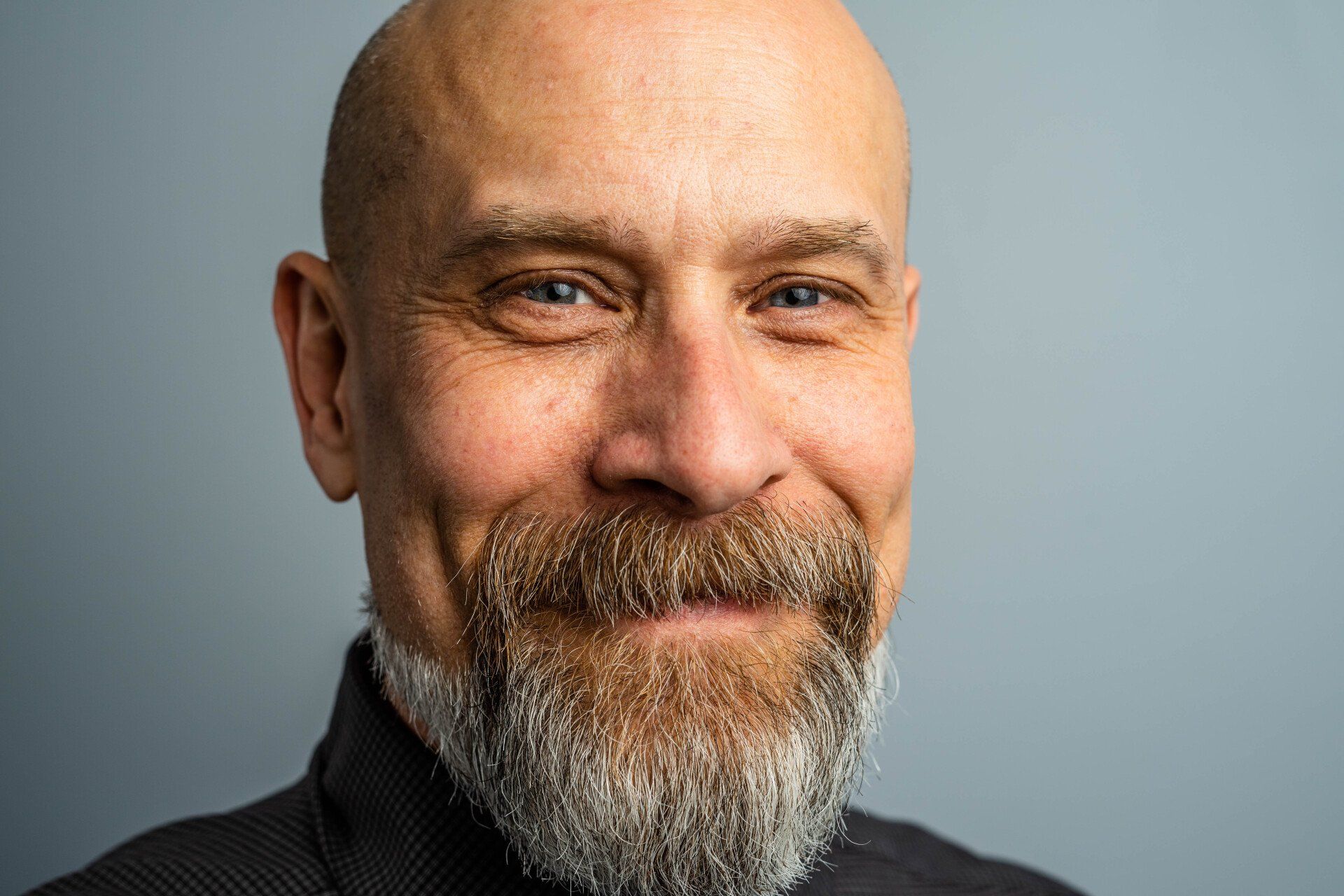
- The demographic most likely to look for aesthetic treatments are professional men like lawyers or those who work in finance.
- The demand for non-surgical aesthetic treatments increased by 10% globally between 2017 and 2018. The number of surgical cosmetic procedures conducted, however, decreased by 0.6%.
- In the UK in 2021–2022, Medical health and wellness clinics performed 14.8% of non-surgical and cosmetic operations on men.
- Hair loss is the number one concern that leads men to look into aesthetic treatments. Non-surgical techniques targeting hair loss are growing in popularity.
- Research has found overall men spend more on beauty treatments annually in the UK than women (£3,300 for men vs £3,000 for women).
The most popular male treatments in 2022
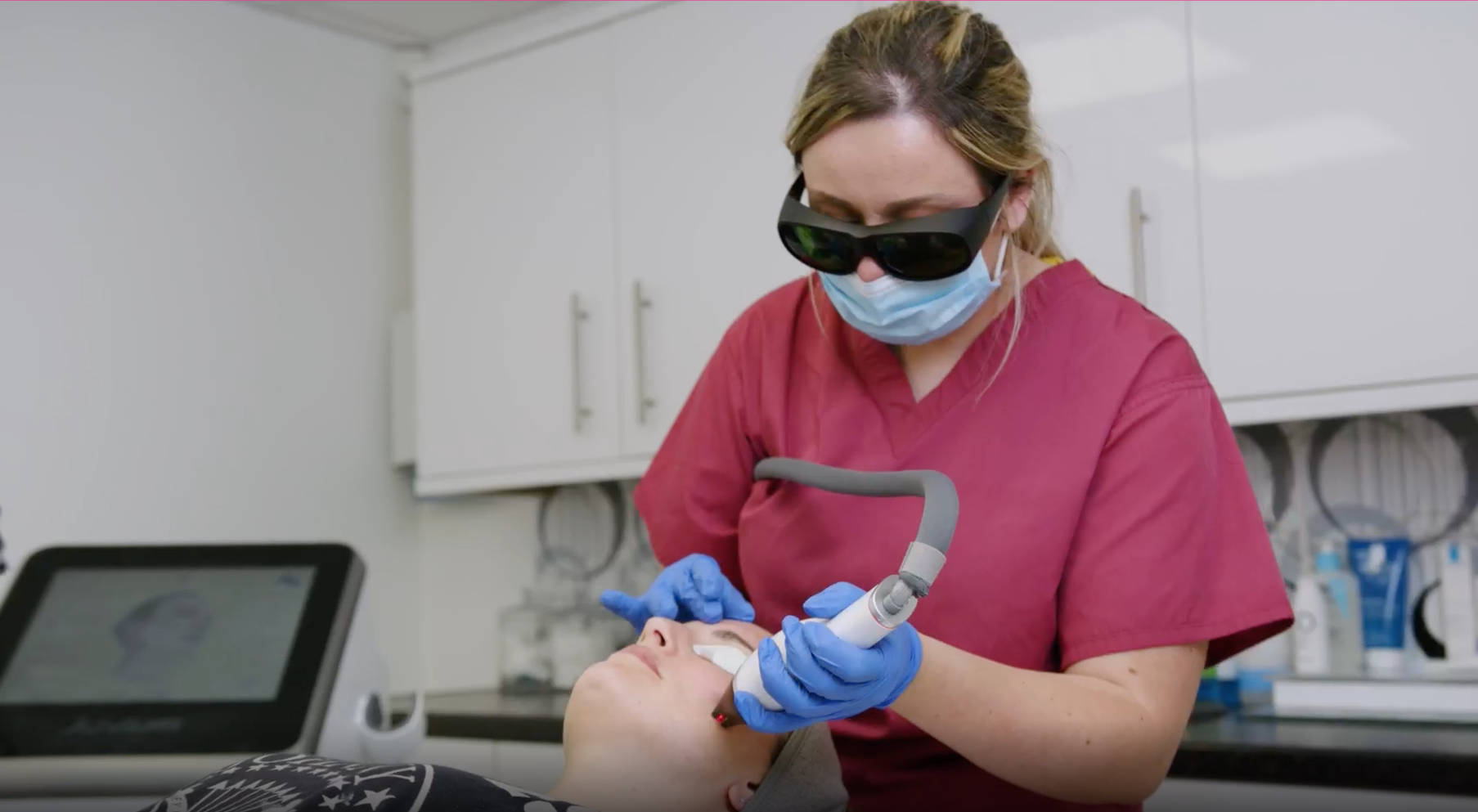
- Laser hair removal, according to the Aesthetic Society, is the second most popular aesthetic treatment. To keep up with this demand, the SMARTDiode and SMARTDiode PRO are the perfect options for you - offering effective, fast and comfortable laser hair removal for all skin types.
- Non-surgical facelifts and hydra facials are the most popular procedure for men as a 'gateway' into aesthetic treatments. Voted the world’s No. 1 plasma pen, the ACCOR Cosmetic Corrector can be used to effectively lift and tighten the skin without the need for surgery. The SMARTJuvium is also a great option to achieve a dramatic improvement in skin condition, structure and appearance.
- Cryolipolysis, is an alternative to liposuction involving exposing cells to freezing temperatures causing them to break down. Despite being popular, fat freezing can cause a slight risk of nerve pain, so a great non-invasive alternative treatment is body-contouring using the SMARTSculpt Pro.
Start offering your male clients effective, proven, non-invasive treatments in your salon or clinic today.

We’re delighted to announce an exciting new partnership between Smart Group Medical and Wigmore Medical, with Wigmore appointed as our exclusive pharmacy partner for AQ Skin Solutions in the UK.
The Experience Economy: Why Clients Remember How You Made Them Feel The beauty industry has never been more competitive. Clients have more choice than ever before, with new salons and treatment providers emerging all the time. Great results are essential, but they're no longer the only thing that keeps clients coming back. Today's clients are investing in the entire experience. From the moment they enquire to the follow-up after their treatment, every interaction shapes how they perceive your salon and whether they'll recommend it to others. Luxury Is About Feeling Valued Creating a premium experience doesn't require a luxury fit-out or expensive décor. More often, it's the little things that make the biggest impression: greeting clients by name, running on time, listening carefully to their concerns and making them feel genuinely looked after. These moments build trust and set your salon apart in a crowded market. The Consultation Sets the Tone A great client journey starts with a thoughtful consultation. Rather than jumping straight into recommending treatments, take the time to understand your client's goals, explain realistic outcomes and create a treatment plan that's right for them. This approach builds confidence while positioning you as a trusted expert, not just a treatment provider. For advanced technologies such as collagen induction therapy) or high intensity focused ultrasound, consultations also give you the opportunity to educate clients on how treatment programmes work and why a personalised approach delivers the best long-term results. Don't Forget the Follow-Up The client experience shouldn't end when they walk out of the door. A quick message the next day, personalised aftercare advice or checking in on their progress shows clients that you genuinely care about their results. These simple touch-points take very little time but can significantly increase trust, satisfaction and repeat bookings. Technology Should Support the Experience Advanced technology doesn't just improve treatment outcomes. It helps create an experience that clients feel confident investing in. Whether you're delivering bespoke skin programmes with SkinXcell or offering comprehensive facial treatments with UltraFacial, the right technology allows you to personalise treatments, deliver consistent results and give clients confidence they're receiving high-quality care. Combined with expert knowledge and excellent customer service, technology becomes part of the overall experience, rather than simply the treatment itself. Turning Clients Into Advocates Loyal clients aren't created by one great treatment alone. They're created through consistent, positive experiences that make people feel understood, cared for and confident in your expertise. In an industry where recommendations carry so much weight, creating memorable experiences is one of the most valuable investments a salon can make. Because while clients may first visit for the treatment, it's the experience that keeps them coming back.
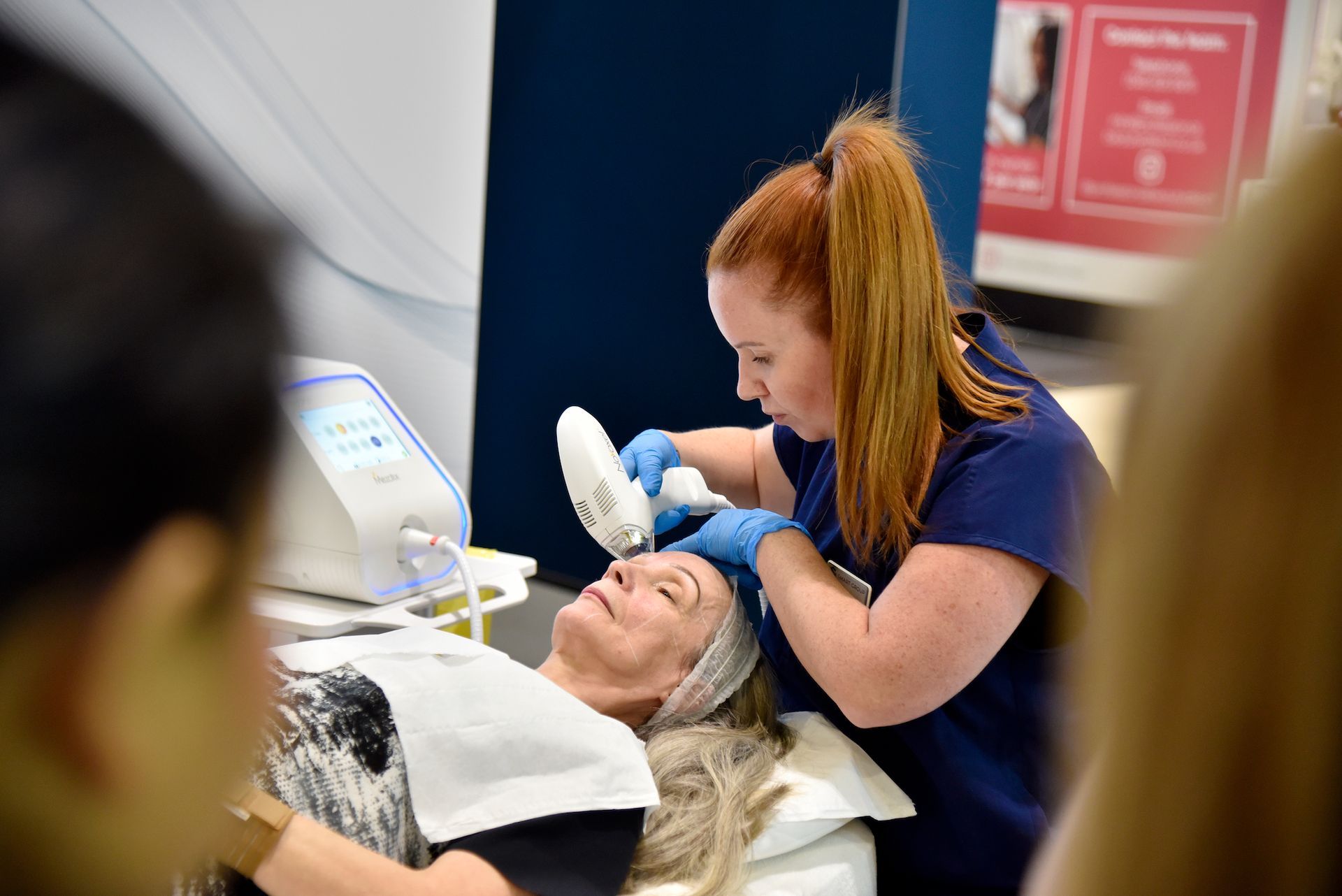
For years, aesthetic treatments have focused on improving the skin's current condition, addressing concerns such as fine lines, pigmentation and loss of firmness.